How Small CBOs Can Start Monitoring Outcomes Without a Big Budget
A practical starter guide for community-based organizations that need useful outcome data before they have a large MEL department.
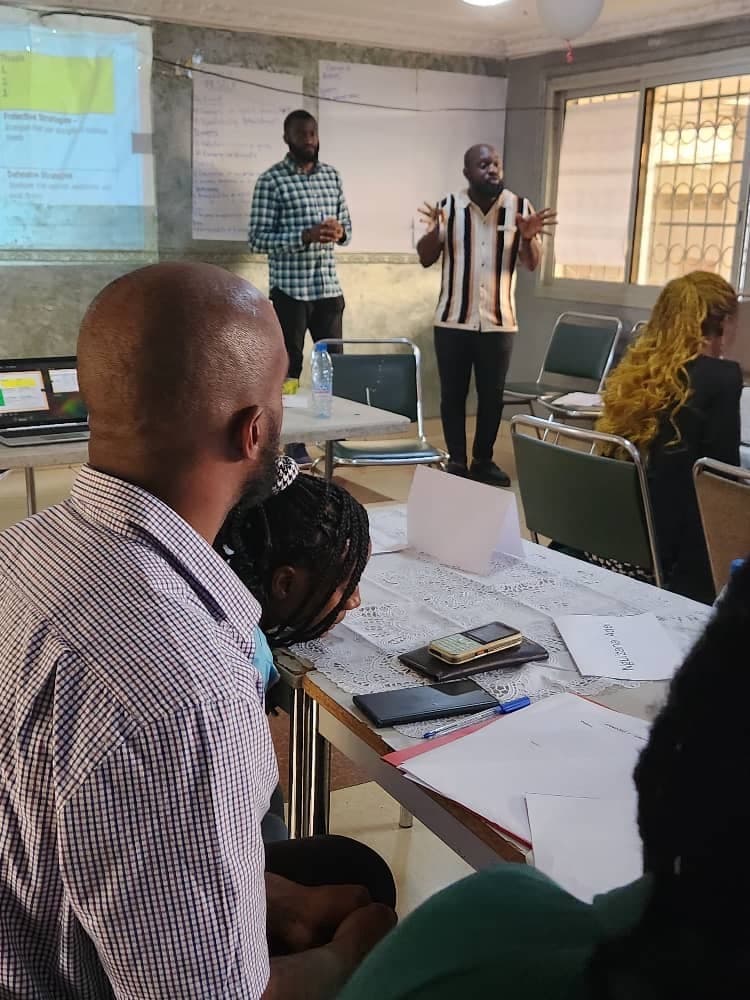
Small organizations often delay outcome monitoring because they imagine it requires expensive software, full-time data staff, or donor-scale evaluation budgets. In reality, the first version can be simple, disciplined, and deeply useful.
Start With Decisions, Not Indicators
The best monitoring system begins with one question: what decisions do we need to make better next month? That question prevents teams from collecting data that looks impressive but never changes practice.
List the three changes your project is trying to create.
Choose one realistic sign of progress for each change.
Agree how often the team will review those signs together.
Use Tools Your Team Already Understands
A spreadsheet, KoboToolbox form, or simple attendance tracker can be enough at the beginning. The important move is consistency: same definitions, same collection rhythm, and a clear person responsible for quality checks.
A modest system that gets reviewed every month is stronger than a beautiful framework nobody uses.
Make Reflection Part of the System
Monitoring becomes learning only when teams pause to interpret the numbers and stories. A 45-minute monthly review can surface what is changing, where assumptions are weak, and what needs adaptation before the next reporting deadline.