Projects
A portfolio of rigorous evaluations, surveys, and strategic engagements.
Our Work Model
“Evidence is only valuable if it leads to action.”
Every methodological choice we make is guided by a single question: will this produce findings that our clients can use? We design for decisions, from the first data point to the final lesson learned.
A
Project Planning and Monitoring
Building systems that make learning continuous and not episodic
01
Results Architecture
Every system begins with a clear results framework: practical, digital-ready, and built around each organisation's specific context and capacity.
02
Participatory Design
Monitoring built explicitly for learning, with regular reflection moments where data drives programme adaptation not just donor reporting.
03
Capacity Building
We train teams on indicator development, data quality assurance, and basic analysis, building internal capability that outlasts our engagement.
The continuous thread: Monitoring is not separate from evaluation. When GREME returns for evaluation, the data trail is already there, connecting every intervention to evidence of its impact.
B
Research, Studies & Evaluation Methodology
Mixed-methods foundation · Internationally recognised frameworks · Full lifecycle coverage
Mixed-Methods Foundation
QUANTITATIVE
Population-proportional sampling and statistical analysis. Surveys structured for precision, reproducibility, and institutional credibility.
QUALITATIVE
Key Informant Interviews, Focus Group Discussions, and Most Significant Change story collection, coded systematically in ATLAS.ti with AI-assisted thematic analysis for auditable findings.
All findings triangulated across multiple independent sources before any conclusion is drawn.
Tools used: ATLAS.ti · KoboToolbox · Power BI · AI-assisted sentiment analysis · Geospatial mapping
Internationally Recognised Frameworks
DACOECD DAC Criteria
End-of-project evaluations
▶ Relevance
▶ Effectiveness
▶ Efficiency
▶ Sustainability
▶ Impact
CIPPCIPP Evaluation Model
Process evaluations
▶ Context
▶ Input
▶ Process
▶ Product
Full Evaluation Lifecycle
1
Baseline Studies
2
Formative Eval.
3
Process Eval.
4
Midterm Review
5
Endline Survey
6
Final Eval.
7
Impact Assessment
8
Capacity Assessment
Where no theory of change exists, we build one, leaving organisations stronger than we found them.
Innovation & Digital Tools
KOBOTOOLBOX
Real-time digital data collection in the field
POWER BI
Interactive dashboards, reports become living management tools
AI ANALYSIS
Thematic & sentiment analysis at scale
GEOSPATIAL MAPPING
Makes justice gaps & GBV patterns visually undeniable
Smaller organisations deserve the same analytical capability as large international agencies.
Ethical Practice, Without Compromise
INFORMED CONSENT
Formal consent processes at every stage of data collection.
DATA ANONYMISATION
Personal data protected and de-identified throughout analysis.
COMMUNITY AUTHORITY
Community leadership authorization before any engagement begins.
ETHICAL REVIEW
Institutional ethical review boards engaged on all formal research.
Cultural sensitivity: GREME works in Cameroon's most complex contexts including conflict-affected communities, and shock-prone communities, indigenous populations, and settings where standard protocols must be fundamentally rethought.
“The measure of a good evaluation is not whether it impressed a technical review panel. It is whether it changed something.”
Our Projects
A portfolio of rigorous evaluations, surveys, and strategic engagements.
Evaluation
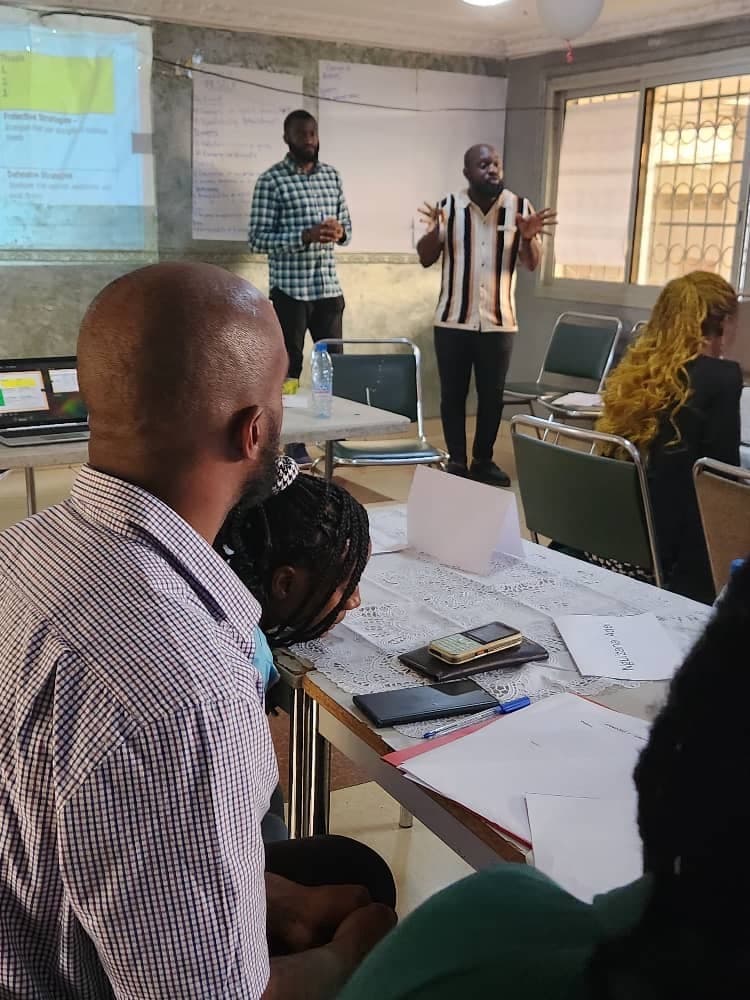
End of Project External Evaluation: Making VAWG History
FIDA CameroonMarch 2023
Conducted the final external evaluation of the 3-year UNTF-funded project 'Making Violence Against Women and Girls History in the South West Region of Cameroon,' applying OECD DAC criteria.
- Full OECD DAC evaluation (relevance, effectiveness, efficiency, impact, sustainability)
- Captured stories of change from 446+ direct beneficiaries
- +1 more
Evaluation
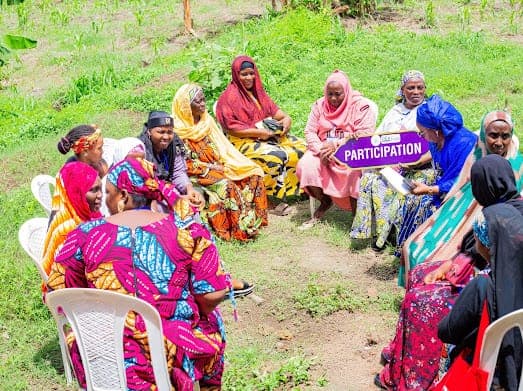
A Process Evaluation: The Adult Literacy and Livelihood Skills Development for Promoting the Socio-Economic Rights of Mbororo Women in the Southwest Region of Cameroon
DAREMSeptember 2023
Conducted a process evaluation of DAREM's adult literacy and vocational training program, assessing implementation quality, participant experiences, and program efficiency.
- Evaluated implementation across multiple training centers
- Documented participant learning outcomes
- +1 more
Strategic Plan
Strategic Plan 2022-2026
DAREMJune 2022
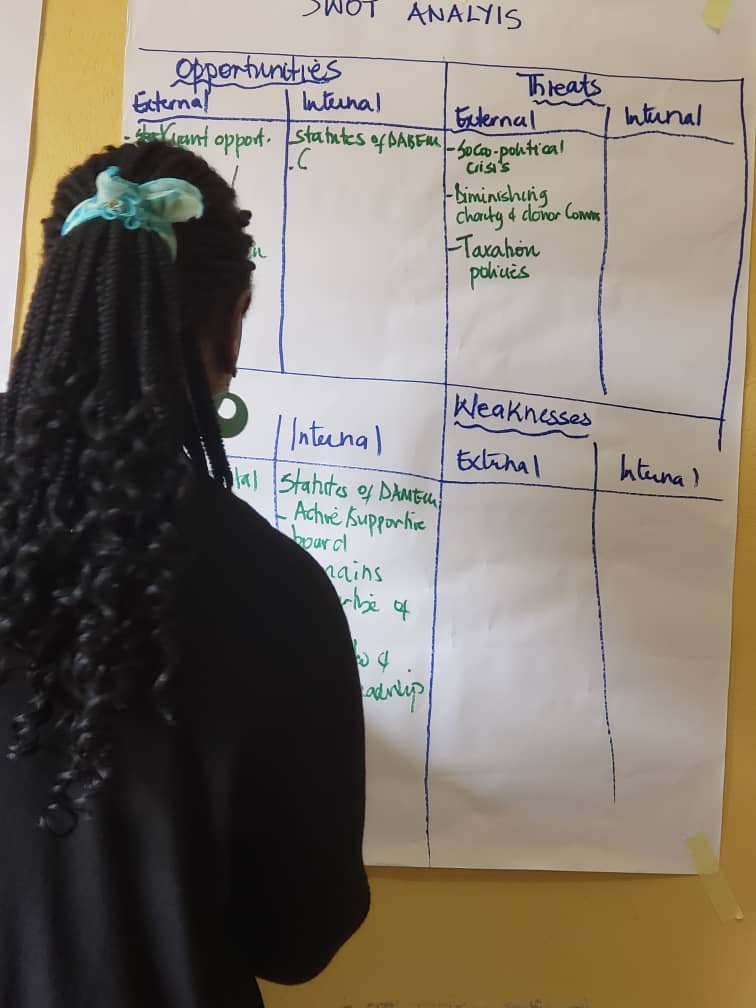
Facilitated the strategic planning process for DAREM, a community development organization, resulting in a 5-year plan with goals, objectives, strategies, and a monitoring framework.
- 4 strategic goals with measurable objectives
- Participatory SWOT analysis with stakeholders
- +1 more
Strategic Plan
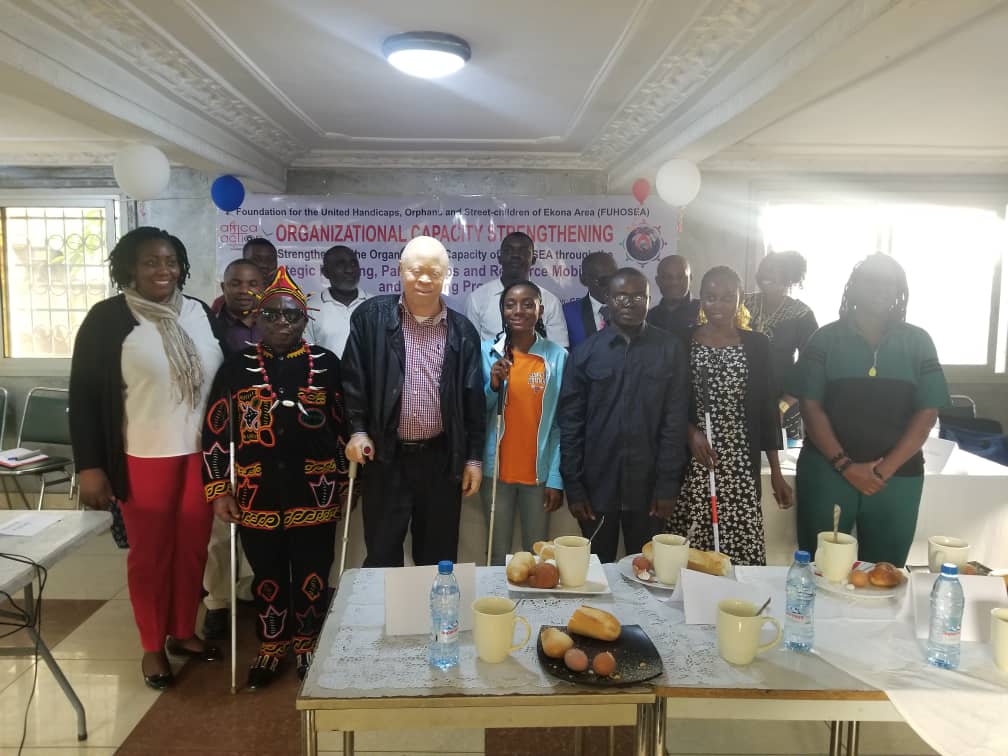
Strategic Plan 2026-2030 & Organizational Capacity Strengthening
FUHOSEAOctober 2025
Led the development of FUHOSEA's 5-year strategic plan (2026-2030) through a participatory process including organizational capacity assessment, stakeholder analysis, SWOT analysis, and strategic planning workshops. Also delivered a comprehensive Results & Implementation Framework.
- 5-year strategic plan with theory of change
- Results & Implementation Framework 2026-2030
- +2 more
Additional Projects
Baseline/EndlineView Details →
GBV Baseline Survey
FIDA Cameroon · July 2020
EvaluationView Details →
Midterm Evaluation: Combating VAWG
FIDA Cameroon · December 2020
EvaluationView Details →
End of Project Evaluation: AWDF Grant
FIDA Cameroon · 2021
Baseline/EndlineView Details →
GBV Endline Survey
FIDA Cameroon · November to December 2022
Baseline/EndlineView Details →
Access to Justice Baseline Survey
FIDA Cameroon · January 2023
Strategic PlanView Details →
Strategic Plan 2020-2024
Sisters of the Holy Union (SUSCs) · May 2020
OngoingView Details →
Results Framework: Health & Empowerment Program
DAREM · Ongoing
Publications
Research and policy publications by GREME team members.
Policy Brief
Agricultural Production Diversity and Market Access: Implications for Dietary Diversity among Smallholder Farm Households in Cameroon
Anchang Juliana Adjem, Meliko Majory, and Uwem Essia
AERC Research Paper 054-026 · March 2026 · African Economic Research Consortium
View Details →