What Makes a Baseline Survey Useful Beyond Donor Compliance
Baseline studies should do more than satisfy a grant requirement. They should clarify strategy, risk, targeting, and learning questions.
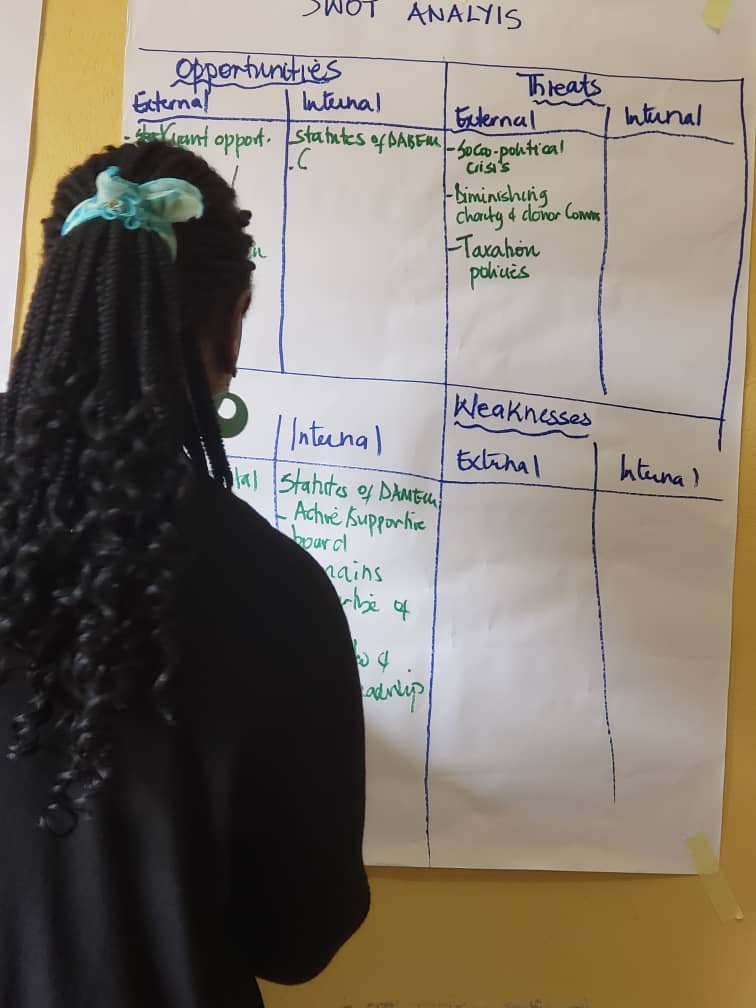
A baseline survey is often treated as a compliance document: collect the required values, submit the report, and move on. That misses its strategic value. A strong baseline helps a team understand where change can realistically begin.
Anchor the Survey in the Theory of Change
Every module should connect to a program assumption. If an indicator does not help test the theory of change, explain targeting, or support future comparison, it probably needs to be removed or redesigned.
Measure Context, Not Only Targets
Barriers that may slow implementation.
Community norms that shape participation.
Existing services and referral pathways.
Differences between groups, locations, or livelihood profiles.
Protect the Endline Before the Baseline Ends
The baseline is also the first endline planning meeting. Sampling, tools, consent language, and indicator definitions should be documented clearly enough that a future team can compare results without reconstructing the design from memory.
Useful baselines do not only describe the starting point. They prepare the project to learn from the journey.